



Hey there 👋
We have covered a lot of ground in this 3-part series on the tech behind smartphone cameras.
Part 1 was about the spec sheet of a smartphone camera. We learned that shouting about megapixels without context is mostly marketing and that sensor size pretty much does the real work.
Part 2 went over the actual camera hardware. We talked about different types of lenses and all the stuff inside that camera bump.
This is Part 3. And this one is all about the hidden warrior: software.
In 2026, the software behind your camera is sometimes more responsible for your photos than the hardware capturing them.
Every time you tap the shutter button, your phone is not just taking one photo.
It does a lot of stuff before you see the final image.
I bet you don’t fully understand how important software is to cameras. Neither do most people (including me some time ago).
Your Phone Doesn’t Just Take One Photo
Think about what a traditional camera does. You press the shutter. The sensor captures light. You get a photo.
Simple. Direct. What you see is more or less what the sensor captured.
Your phone does not work that way.
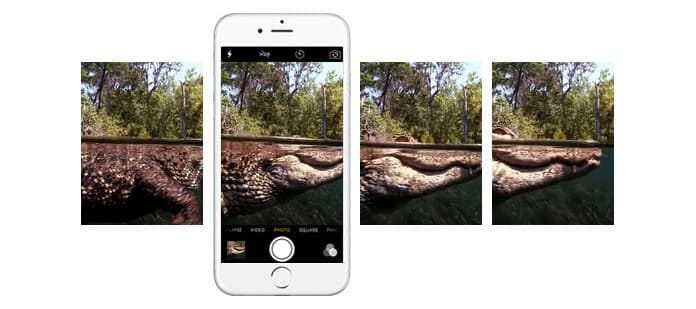
When you tap the shutter on a modern smartphone, the camera grabs multiple photos in a rapid-fire kind of way. Sometimes 10, sometimes 15 or even more.
It then analyzes every single frame. It picks the sharpest parts from each one. It merges them together and makes you an image.
The photo you see is a composite built from many frames.
The fancy term for this is computational photography. And it is the real reason modern smartphone photos look as good as they do.
Without it, a phone sensor would be too small to compete with a dedicated camera. With it, phones can rival some pretty expensive hardware.
In a nutshell, the software does heavy lifting the hardware cannot.
Explaining Dynamic Range

HDR stands for High Dynamic Range. It is one of the oldest photography tricks to exist. The problem it solves is simple.