



Hey there 👋
In Part 1 we tore apart the megapixel myth. We learned that a higher megapixel number on the spec sheet barely matters. Sensor size, aperture, and stabilization do most of the real work.
After reading the first article in this series, it’s natural to be curious about the hardware that creates those features in a camera.
Why does your phone have three or four separate cameras instead of just a single good one? And what is going on with that weird L-shaped lens setup on flagship phones?
If you’re asking the same questions, this article is for you. It focuses on the physical hardware that lets you take a photo in a split second.
I’ll go over the actual lenses, prisms, and sensors sitting inside your phone and what each of these means for you.
Just so you know, this article is the second in a 3-part series of articles on smartphone cameras.
Part 1 of this series talked about the fundamental camera concepts like aperture, sensor size, OIS. It discussed what features to look for when judging camera quality.
Part 2 (the one you’re reading now) gets into the hardware behind the specs and talks about the physical side of a smartphone camera.
Part 3 will cover the clever software techniques doing most of the real work behind smartphone cameras today.
Why Phones Have Multiple Cameras
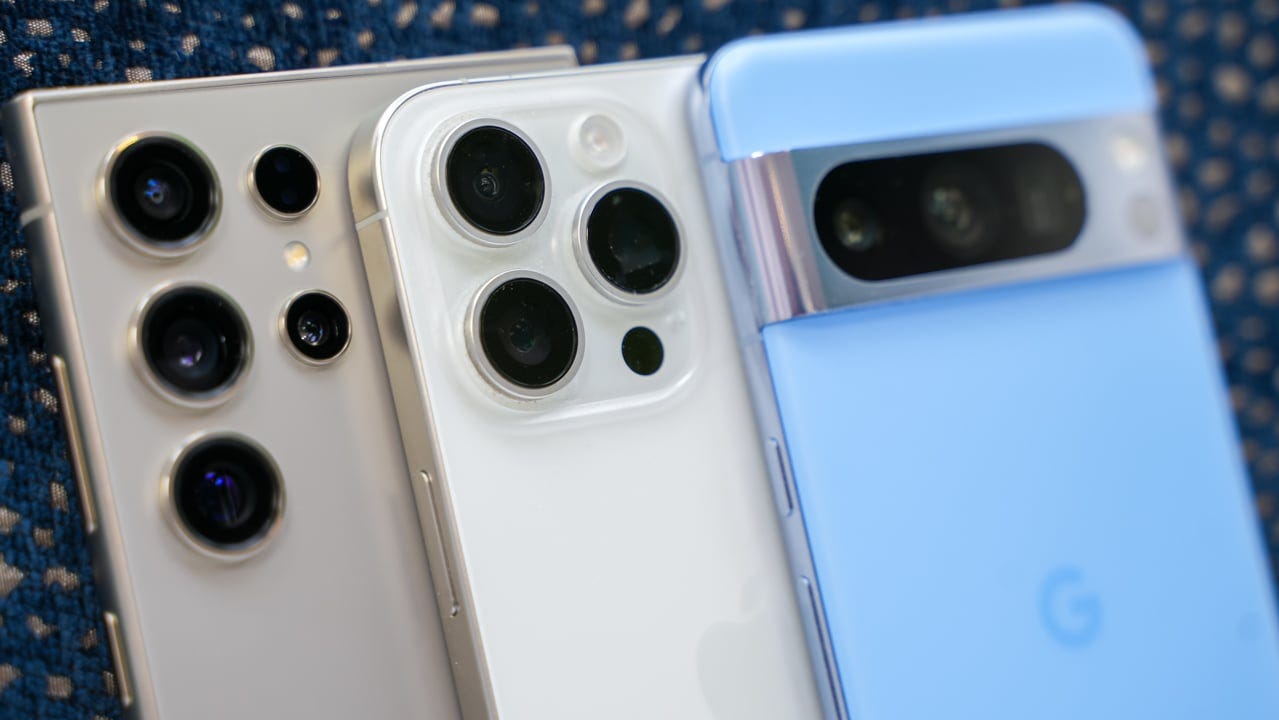
Just turn your phone around and you’ll see more than one lens, even though your phone only has one camera app.