



Hey there👋
I still remember saving up for a wireless Xbox 360 controller as a kid. I couldn’t afford the wireless one, so I looked for a fix.
A YouTube video popped up: “Just buy this small adapter” the creator said, smiling into the camera.
I believed him. I bought it. And when it showed up - it didn’t work.
That was my first real lesson about the internet. Not everyone online wants to help you - some just want to sell to you. Back then, it was one bad adapter. Today, it’s entire industries built on that same trick, trust first, truth later.
The game hasn’t changed. Only the players have.
So today, I wanted to talk about influencer marketing, the one thing that quietly feeds on: your trust.
The web promised freedom - real voices over corporations.
Then those voices started selling too.
“This product changed my life” - not always honesty, sometimes just business. I learned that the hard way.
And to be clear - not everyone’s playing the dirty game. There are creators out there doing honest work, using the same system to genuinely help people. Honestly, selling’s not the issue - it’s the way it’s done.
The Creator Economy Explained
Before we talk about how they are misleading you into buying things, let’s understand the system.
Most people think influencers, content creators, and celebrities are the same thing, but they’re not. Although, all of them do feed the same machine - the creator economy.
So, let’s first work on decoding who’s who.
What is a Content Creator?
Content creators are the internet’s specialists.
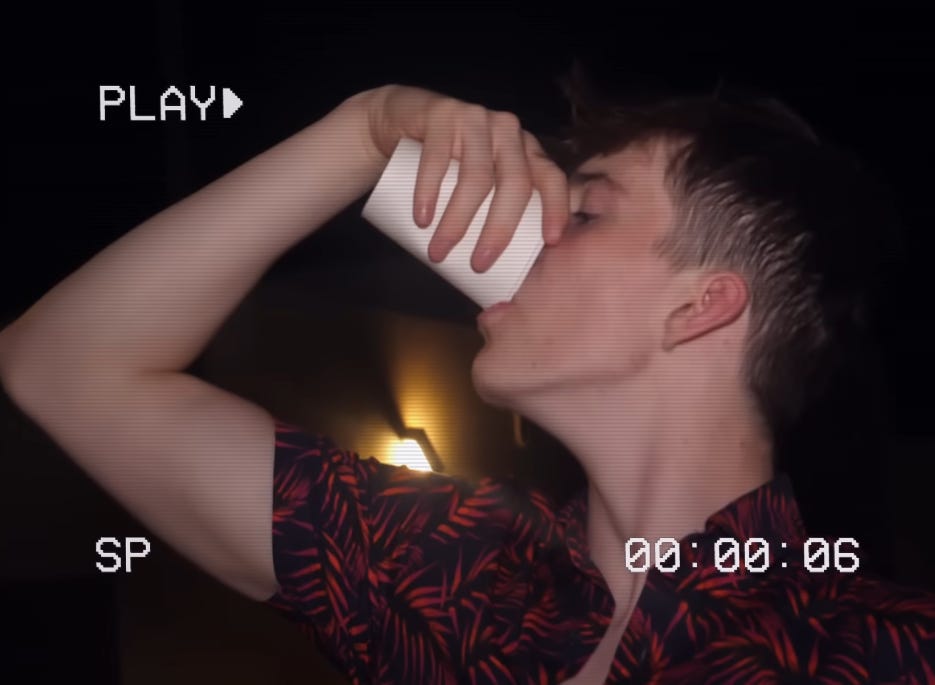
They pick a niche, dive deep, and build trust by staying consistent. These are the people who teach you, entertain you, or break things down in ways that actually make sense.
Joe Fazer making videos related to his gym workouts and theRadBrad making gaming walkthroughs are some perfect examples of a content creator.
What is an Influencer?
Influencers are creators who’ve outgrown their niche, they operate on a wider scale and their content reaches beyond their original niche
The words of an influencer carry weight - not because they know more, but because people believe them.
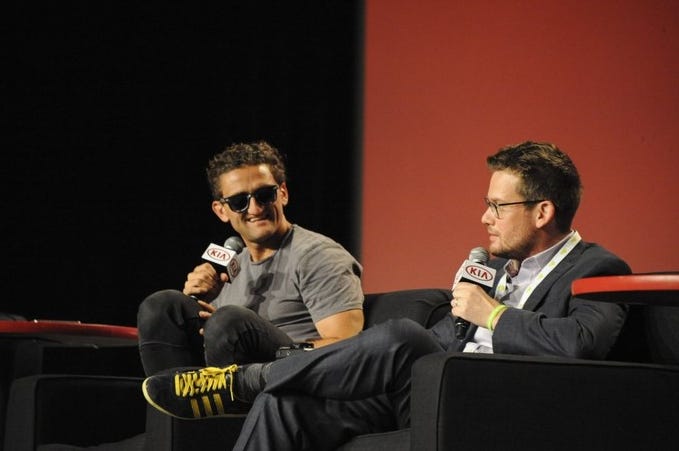
Casey Neistat is a great example. He started with pure filmmaking and vlogs, but now his influence extends into storytelling, creativity, tech, and even business through his various projects and collaborations.
That’s what happens when a creator grows big enough.
They become more than someone who just informs - they start influencing behavior.
What is a Celebrity?
A celebrity isn’t just someone with a following - it’s someone the world knows.
Their faces show up everywhere, and their words carry weight far beyond their niche.
And just to clarify - in today’s internet-driven world, you don’t need Hollywood to get there.
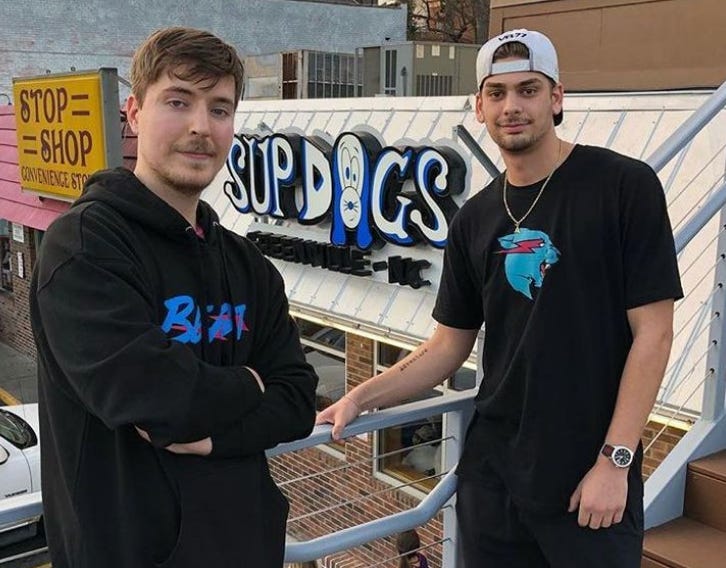
Take MrBeast - he started as a content creator posting random challenge videos, became an influencer commanding millions, and now he has grown big enough to be called a celebrity.
What is Influencer Marketing?
Influencer marketing is simple at its core - brands borrow human trust.
Instead of running cold ads, they partner with people who already have an audience that listens, believes, and acts.
It’s a collaboration where influencers promote products or services in exchange for money, free products, or perks.
In my opinion, the system itself isn’t broken - but when honesty takes a backseat to profit, that’s when influence steps out & exploitation steps in.
Disclaimer: These terms keep changing with time. They keep evolving with time, and the lines between them blur more every year. What I’ve shared here is just how they’re understood right now.
Revenue Behind The Creator Economy
Now that you know who influencers are, let’s talk about how they actually make money…because this is where things get interesting.
Behind every ‘top 5 gadgets you must buy’ there’s usually money involved and understanding these income streams will allow you to fortify yourself.
Once you know how the web works, you’ll see where the traps are set.
Affiliate Links
Affiliate links are the backbone of online money-making, they’re simple but powerful.
When you click one and buy something, the creator gets a small cut of the sale - usually a few percent.
Basically, each affiliate gets a unique tracking link that tells the brand exactly who sent you. The moment you make a purchase, the system logs it and the credit goes to the creditor. Everything is performance-based - no sale means no payout.
Affiliate = usually percentage-based, but it depends on the type of deal.
Referral Links
Referrals seem pretty simple - “sign up using my link and we both get rewards.”
And in the case of referral - Instead of the creator earning a commission, the creator gets bonuses, credits, or cash perks every time someone joins through their link.
A referral link looks like this: https://www.examplewebsite.com/?ref=123ABC
These links are unique and traceable and they track who invited whom and then reward goes to the one who invited the person.
Referral = usually bonus-based, but it depends on the type of deal.
Sponsored Ads
When a creator says, “This video is sponsored by…” - that’s a direct brand collaboration.
Unlike banner ads, this form of sponsorship is integrated inside the content itself.
Basically, a brand pays the creator to feature their product or message - sometimes for a few seconds, sometimes for a couple of minutes. In this kind of sponsoring - the creator maintains their tone and storytelling style, but the message is paid for.
For example, a tech YouTuber might review a laptop and midway say: “Thanks to XYZ Babypowder for sponsoring this video”
So, when you see stuff like that, know that - it was a deal.
Sponsored content = paid collaboration between brand and creator.
Product Placements
Ever noticed how the hero’s always driving a certain car or checking a specific phone brand? That’s not coincidence - it’s simply money in motion.
Product placements mean brands paying to appear naturally inside content. From Bond’s Aston Martin to a YouTuber’s laptop in frame, it’s all about associating the product with a certain lifestyle, personality, and trust.
It’s subtle marketing, you’re not being sold to directly, but the influence lands all the same. So…the next time you see your favorite brand pop up in a blockbuster, remember - it’s not random, it’s just biznuss
The Dark Side Of Creator Economy
Now that you know how they earn, let’s lift the curtain.
Because behind those affiliate links, referrals, and reviews lies something much deeper…a line blurred between honesty and marketing.
You’ve seen how the system works on paper - Now, it’s time to decode how it really works, and why it’s quietly shaping your buying habits without you even realizing.
Problems With Affiliates & Referrals
The biggest problem is pretty simple - disclosure.
Most of the posts with affiliate links/referral codes don’t clearly tell you they’re paid. A big EU study found that 97% of influencers used commercial content (affiliates, referral, etc.) - but only 20% of them systematically disclosed that the content was advertising.

Then there’s the hidden financial bias:
The majority of the time when creators are telling you “how amazing” a product is and “how much” you need it - there’s usually money involved behind the scenes which makes them say that…and they never bother telling the audience that.
What You Can Do About It
Whenever someone’s pushing a product, look closer. An affiliate link looks like this: https://example.com/product?id=123&utm_source=youtube_affiliate
And a clean link usually looks like: https://brand.com/product
Now you know what to look for, it’s your job to spot the difference.
If they don’t tell you that they’re earning from it, that’s the problem - not the fact that they’re earning. Creators who say “this video includes affiliate links” are doing it right. The ones who don’t - are the ones who you should not trust.
Problem With Product Placements
Product placements blur the line between storytelling and marketing.
When a brand pays to have its product appear in a movie, show, or YouTube video - it’s done for the sake of influencing people.
You must have noticed on multiple occasions - how your favorite actor is sipping a specific soda or your favorite creator using a specific gadget - and you assume it’s genuine. But often, it’s not. It’s just there to engineer to make you trust the brand without you realizing it.
Honestly, the danger isn’t the placement itself - it’s the lack of disclosure. When you can’t tell if something’s there because it’s good or because someone got paid, trust dies quietly.
And when all of this happens - you’ll realize that…transparency slowly starts to disappear along with the authenticity and that’s when entertainment quietly turns into marketing.
What You Can Do About It
The next time you notice your favorite actor using a very specific gadget or a YouTuber eating a certain snack, just pause and ask yourself why it’s there.
If the same product keeps showing up in different scenes or videos, it’s probably not because it’s “that good” - it’s because someone paid for it to be there.
Don’t let subtle marketing decide for you.
Enjoy the content, but keep your wallet under your control.
Problem With Sponsored Ads
The main problem here is - lack of authenticity.
Yes - most creators do label their videos or posts as “sponsored by X” but that’s not the same as being honest. What people don’t realize is that behind those sponsored segments, there’s usually a script - one that’s carefully reviewed, edited, and approved by the company itself.
So while it looks like the creator is casually talking to you about “why this product is amazing” in reality, they’re following a pre-approved list of things they must say and a list of things they can’t.
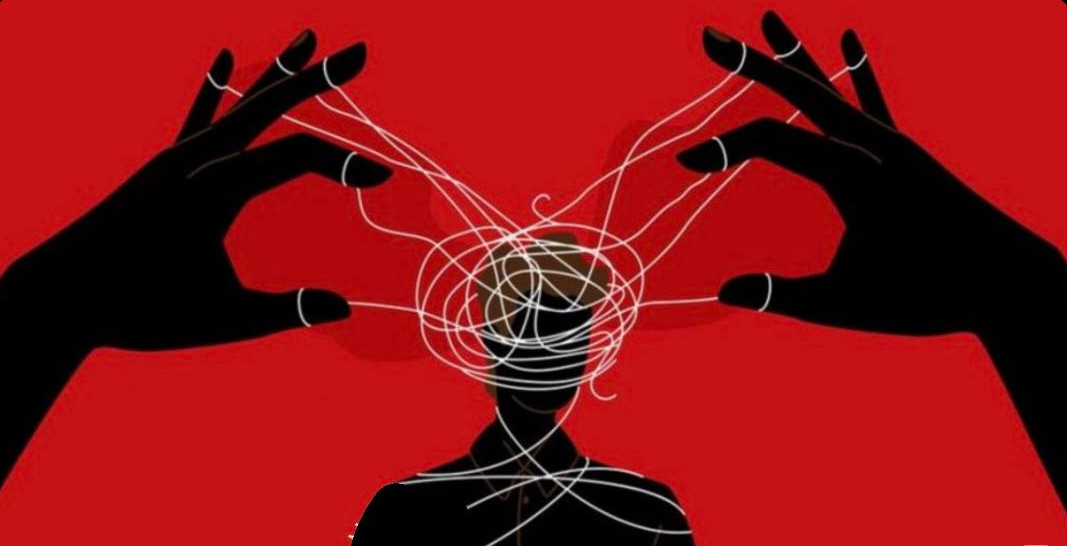
That’s when the creator stops being the voice and decides to be the puppet.
And the actual string-puller is the brand sitting quietly behind the camera.
There have been countless examples of this - creators endorsing products they’ve never even used, just because the paycheck was good enough. One of the biggest examples was Gal Gadot - Huawei’s official brand ambassador, who got caught tweeting about how much she loved her Huawei phone…from an iPhone, lol.
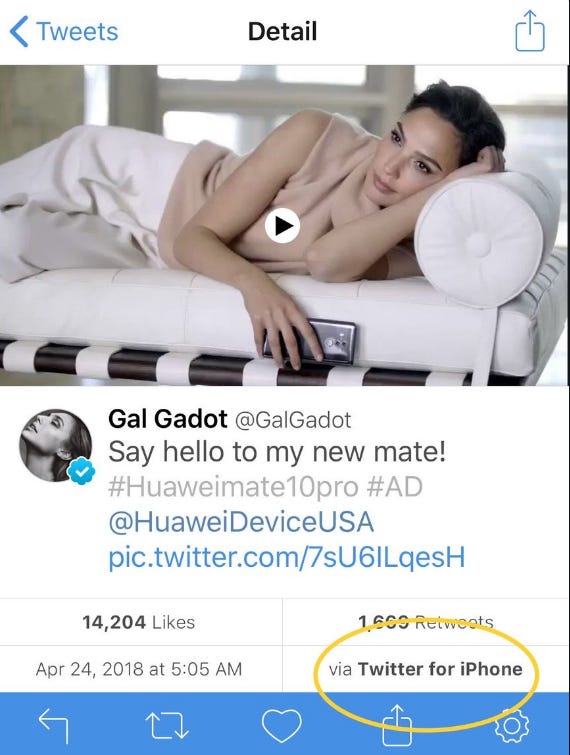
Later, she deleted it and there are a lot of other useless details…but all of that doesn’t matter. The point is - tons of people often don’t even use what they promote.
What You Can Do About It
If you’re watching a creator or influencer promoting a product - pause and look closer.
Ask yourself: do they actually use it? Have you seen them talk about it before the sponsorship deal? Or did it suddenly appear the moment they got paid?
If it’s the latter - be skeptical.
A genuine creator doesn’t need to pretend. They’ll use what they promote, and they’ll be transparent about their partnerships. The dishonest ones will act like it’s pure “recommendation” hiding the paycheck behind fake enthusiasm.
So - use your own brain, do your research, compare alternatives, and only then…make your decision.
Problem With Paid Reviews
Paid reviews are the final boss of deception.
And unlike sponsored ads or product placements, these come wrapped in the illusion of authentic testing. The creator unboxes a product, talks for ten minutes, and calls it a review.
A real review takes time, experience, and honest, but some creators out there don’t care about this - they care about money and that’s it and when money enters the frame - Disclosure disappears & authenticity dies.
They’re paid or gifted something shiny, in return they just have to talk about their product and what follows afterwards is a commercial in disguise.
The deeper problem is that getting paid to review something is wrong by design.
Because the moment money enters the conversation, bias follows.
Put yourself in their place - if a company paid you to review their new gadget, how honest would you really be? You might tell yourself you’ll stay neutral, but deep down, you already feel the pressure to say something positive & that defeats the whole point of a review.
This is what makes paid reviews so dangerous.
Sponsored ads, affiliate links, product placements - they can be done ethically if disclosed, but paid reviews are corrupt at the root. Because now, both sides are involved - the brand paying for the lie, and the creator delivering it.
Sure, not all reviews are fake, but “usually" - most are subtly engineered to make you feel good about buying.
What You Can Do About It
Now, you don’t need to become skeptical of every review out there.
There are honest reviewers - MKBHD, Mrwhosetheboss - people who actually test, compare, and tell the truth.
But you can’t rely on one voice.
If you like a product, compare opinions - see what other reviewers say.
Patterns will expose the truth faster than words.
Not All Sponsored Content Is Evil
Let’s be fair - not every brand deal is a scam.
Sponsorships aren’t inherently bad; the problem lies in how they’re executed.
When creators say, “This video is sponsored” and still give you the truth, that’s fair play.
Here’s what honest collaborations look like:
Clear disclosure
Honest pros/cons
Separation of opinion vs fact
Transparency about brand relationship
If a creator checks those boxes, you’re in good hands.
Because the truth is - honest sponsorships can help good products reach the right people. The system isn’t the villain here, the people abusing it are.
The Bottom Line
If you’ve made it this far - congratulations…you now have the forbidden sight.
This sight won’t let you see through walls.
But it’ll help you see through creators’ bullshit.
When you started this piece, you probably didn’t know the real difference between a content creator, an influencer, or a celebrity.
Now, you’ve seen both sides: the exploitation as well as the truth and you also know the business model hiding behind every “honest” opinion.
So, the next time someone says, “This product changed my life” Take a pause, look closer - and you’ll notice the truth.
The system doesn’t change…
…but now, you can’t be played by it.
Your Turn
Alright, I’ve talked long enough.
Your move, now.
Do you trust the creators you follow or just think you do?
Have you ever bought something just because someone you admire said it was “life-changing”?
And more importantly - what will you do differently after reading this?
Let me know the answers in the comments - I want to see how awake you really are.
If this hit you, take a second to subscribe or restack.
What I’m building here is bigger than a post - it’s about helping people think clearer and see what’s really behind the systems shaping our lives.
You might think your support doesn’t matter but it does - it’s what keeps this mission alive. Every restack, every share, every new reader helps this message reach a little further.
And hey, if you want to talk 1-on-1, don’t hesitate to DM me.
I’m always up for a good conversation.
Great article 👏
I haven't bought anything from an influencer marketing probably cause I'm too stingy with money lmao 🤣 .
There's certain "forex traders" in my country that have built there whole status around this , one hiring local blogs on various social media sites to cover them sorta like politicians eg ' Forex trader X has bought a 20 M house ' some useless controversial stuff so that they can gain more followers ---> more pigs to scam
Well written.