



Hey there 👋
For some time, I’ve been noticing a similar pattern emerging across almost every major app. Companies don’t seem to be satisfied with doing one thing anymore.
If you look at messaging apps, they’re trying to handle payments. Social media apps are trying to become shopping platforms.
The same goes for other platforms. Many of these apps are trying to do more than what they were originally made to do.
I believe the reason behind all of this is that companies want people to stop leaving their apps.
But why do companies keep doing this? Why does the super app model work in some places but struggle in others? Why are so many companies trying to copy it, and what can you, as a user, do about it?
Let’s talk about that.
What Is a Super App?
A super app is a single application that bundles multiple services into one platform. The idea is that you can get through most of your day without opening any other app.
The model is closely associated with WeChat (called Weixin in mainland China), which Tencent launched in 2011. It started as a messaging app and slowly added services such as Weixin Pay, Mini Programs, search, games and business tools. Tencent now describes Weixin and WeChat as a broader digital platform rather than a ‘just’ messaging service.

By the end of Q1 2026, Weixin and WeChat had more than 1.4 billion combined monthly active users. WeChat’s Mini Programs have also become a big part of the platform. These programs also allow users to access services without installing other apps.
Tencent says WeChat Mini Programs handled RMB 8 trillion in transactions in 2024, while Weixin Pay processes more than 1 billion commercial payment transactions on an average day.
That gives you a sense of what a mature super app can become. It can start with something as simple as messaging and gradually turn into a place where people access multiple services and run businesses.
And that is the part other tech companies want to copy.
What’s Happening Right Now
The same pattern is now showing up across major apps. Companies are taking services that once belonged to separate apps and bringing them into their own platforms.
WhatsApp started with messaging. It now has payments in markets including Brazil and India, Channels for broadcasting, Communities for larger groups, business tools and Meta AI built directly into the app.
And Meta isn’t slowing down anytime soon with this. Every other day, they are trying to introduce features into the app so users don’t have to leave WhatsApp.
Instagram followed a similar path. It began as a photo-sharing platform and has since added shopping, short-form video, messaging features, broadcast channels and connections to Threads.
Instagram’s push into shopping has also created some friction with creators. In early 2026, Instagram tested an AI-powered Shop the Look feature that automatically identified products in creator posts and recommended similar products.
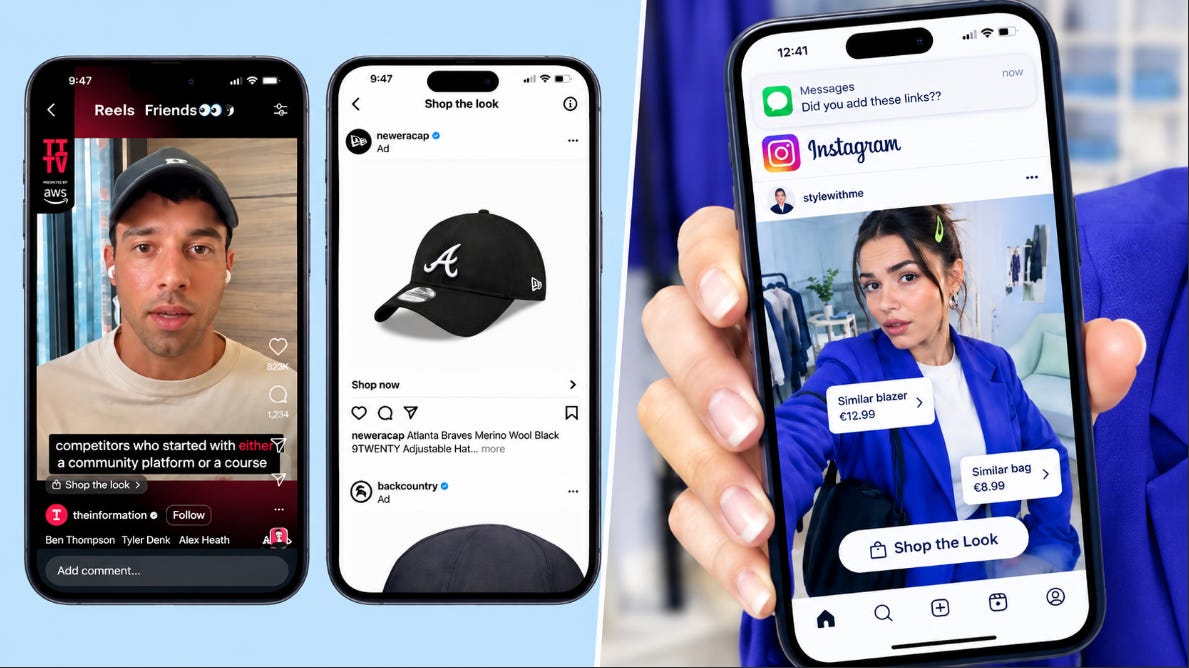
Some creators even said the system attached products they had never endorsed to their content at all. Creators also said followers were being shown cheap alternatives attached to their posts without their knowledge.
Of course, we can’t forget about X, formerly known as Twitter. Elon Musk has openly talked about turning it into an “everything app.” Since then, the platform has added features such as long-form posts, video, job listings, and, in the US, payments through X Money.
But does that make X a successful ‘everything app’? Not really, at least from what I can see. It feels more like a platform with a lot of features added to it.
You can see a similar pattern with Telegram and other platforms. Companies try to turn their apps into super apps, or they keep adding features until the original purpose starts getting lost.
And I get it. From a company’s perspective, why wouldn’t you want your app to become the one place users go for everything?
So what’s in it for them?
Let’s talk about that next.
Why Companies Want More From Their Apps
There are four reasons, and none of them are about you:
Keeping Users From Leaving
The first reason is retention.
The more things you can do inside an app, the more reasons you have to keep using it. If you can message your friends, pay for something, shop, watch videos and use an AI assistant without leaving the same app, there is less reason to open a competitor’s app.
For the company, every one of those activities is another opportunity to keep your attention.
Building a Picture of You
Then there is data.
A messaging app can learn who you talk to and what you interact with. Add payments and it can learn what you buy. Add shopping and it can learn what you browse. Add location services, search, video and other features, and the picture becomes much bigger.
This is where the idea that “my phone is listening to me” can get confusing. You might talk to a friend about something and then see an ad or recommendation related to it. That does not mean the app necessarily listens to your conversation.
These platforms already have huge amounts of information about how you use them. They can see patterns across your searches, clicks, follows, purchases, viewing habits, location and interactions. Put all of that together and the system can build a detailed picture of what you are likely to want next.
AI can make that personalization even more detailed because it can process and connect large amounts of information much faster.
Data has become one of the most valuable things companies can collect about you, which makes protecting it increasingly important.
Whether companies should be allowed to collect and use this much information is a separate discussion. The important point here is that adding more services gives them more information about how you use the platform.
Making More From the Same Users
Then there is money.
An app that depends on advertising has one main way to make money from its users. Adding different services or products gives the company more ways to generate revenue from the same user base.
Making It Harder to Leave
The last piece is the ecosystem.
You’ve probably seen this with companies such as Apple, Google and Meta. They build multiple products that work together, so the more of them you use, the more convenient the whole setup becomes.
The same thing can happen inside a single app.
Imagine that your messages, payments, and other services all live in one place. Leaving that platform becomes much harder because you are replacing several parts of your digital life at once.
There are clear benefits for users here. But it also gives companies a strong reason to keep expanding their ecosystems.
Then There’s the AI Rush
There is another layer to all of this, and you’ve experienced it as well.
I am talking about AI being added to everything.
Meta has put Meta AI across all of its services. Snapchat launched My AI inside Snapchat. Spotify has added AI DJ and AI Playlist features that use your listening habits to personalize recommendations.
So, why is every company doing this? Part of the reason is competition.
If your competitors are adding AI, you don’t want anyone asking why your product doesn’t have it. AI has become a signal that a company is keeping up with the market. That creates pressure to add AI even when the feature itself isn’t solving a problem.